What to Look for in an Event Production Partner
10 criteria that separate a real production partner from a company that shows up with a truck and an invoice.
10 criteria that separate a real production partner from a company that shows up with a truck and an invoice.
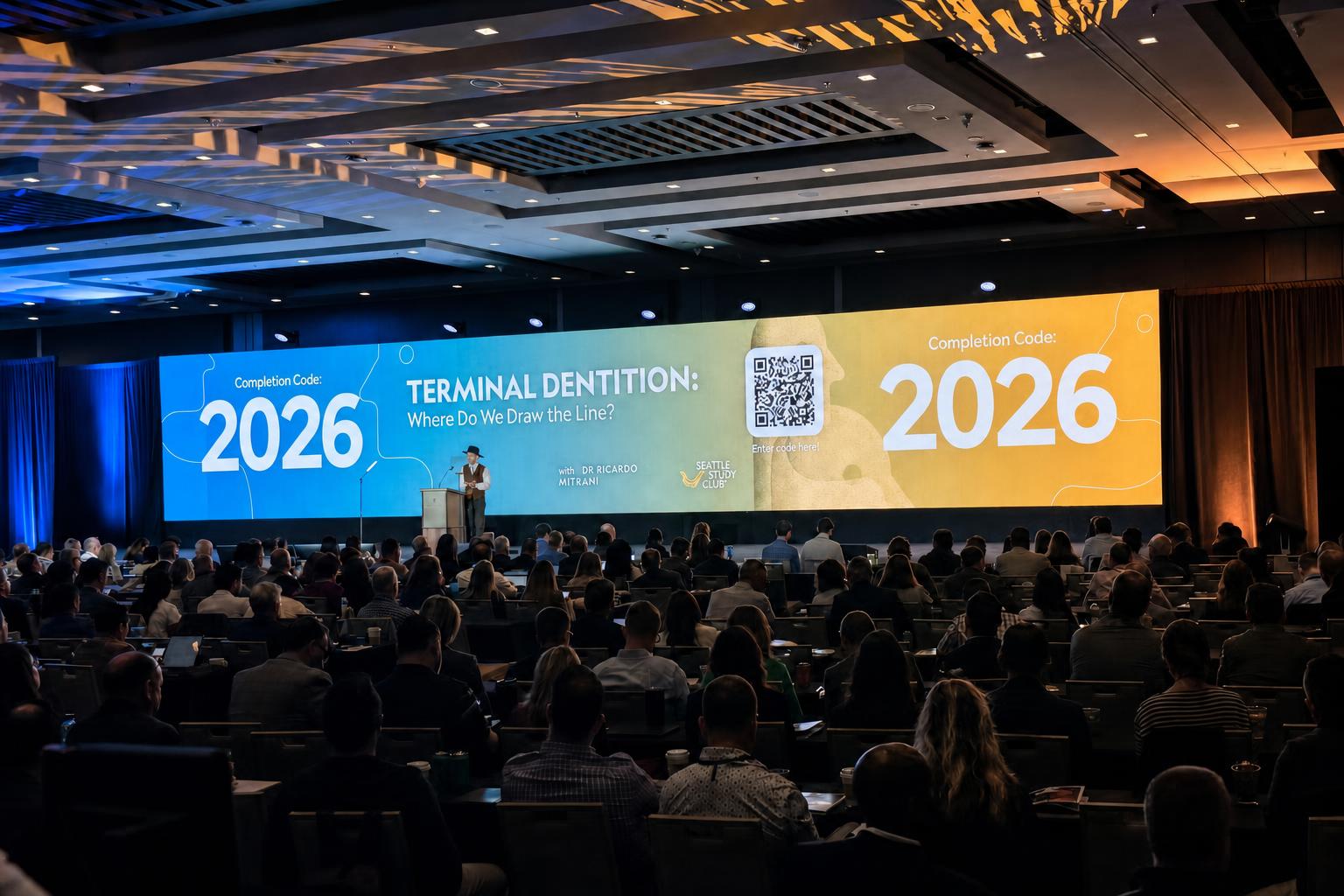
Here's the thing about hiring an event production company: every one of them says they're great. Every website has stunning portfolio photos. Every proposal promises a "seamless experience."
And then load-in day arrives. And some of them are great. And some of them aren't.
The difference between a production partner who makes your event effortless and one who creates more problems than they solve usually comes down to 10 things. None of them are about equipment specs. All of them are about how the company actually operates.
Use this as a checklist the next time you're evaluating vendors. It'll save you a lot of expensive lessons.
This is the single most overlooked factor in hiring a production company. Ask the question directly: "Will the crew at my event be the same people I'm meeting now?"
Large AV companies, especially the ones that operate inside venue contracts, rotate crews. Your site visit is with their A-team. Your event gets whoever's available that weekend. You won't know the difference until you're mid-event and the lighting operator is asking your coordinator where the breakout rooms are.
A real production partner assigns named crew members to your event and those same people are there from the first planning call to the final cable coil at strike.
Pull out the last AV proposal you received. Can you tell, line by line, exactly what you're paying for?
Red flags:
A transparent proposal shows every line item, what it is, what it does for your event, and what it costs. If you can't explain every line to your CFO in plain English, the proposal isn't transparent enough.
If the proposal reads like a parts catalog, you're talking to a rental company. If it reads like an event plan, you're talking to a partner.
Look past the hero photos. Ask for specifics:
Stock photos and rented event photos exist in this industry. So do companies that have three great portfolio shots from five years ago and nothing recent. A strong portfolio has recent work, varied event sizes, and stories behind the photos, not just pretty pictures.
There's a meaningful difference between a production company that owns its equipment and one that sub-rents everything for each event.
Companies that own their gear know it inside out. They maintain it. They've tested it in dozens of environments. When something goes wrong at 7 AM on event day, they know the fix because they've fixed it before, with that specific piece of equipment.
Sub-rental companies are assembling a package from three different warehouses and hoping it all works together. Sometimes it does. Sometimes you find out at load-in that the LED panels from vendor A don't match the processor from vendor B.
Ask: "Do you own this equipment, or are you sub-renting it for our event?"
Pay attention to how they communicate before you sign. It only gets worse after.
A production partner who asks about your goals, your audience, your definition of success, that's a partner. One who sends a pricing PDF before asking a single question about your event? That's a vendor filling a slot.
Every venue has quirks. The power drops at Montage that can't handle certain lighting rigs. The loading dock at Balboa Bay that requires a 6 AM start. The ceiling height at Hotel Irvine that limits rigging options.
A production company that's worked your venue before knows these things. One that hasn't will discover them on event day, at your expense.
Ask: "Have you produced at [venue name] before? What should we know about the space?" If they can rattle off specific details, they've been there. If they give a generic answer, they're guessing.
Can they handle your smallest event (50-person board dinner) and your largest (2,000-person conference) with equal quality? Some companies are built for one scale and uncomfortable at the other.
A strong partner adapts their crew size, equipment package, and approach to match your event, not the other way around. They don't over-engineer a 50-person dinner, and they don't under-resource a 2,000-person keynote.
The event ends. The crew strikes the gear. Then what?
A production partner delivers:
A rental company sends a final invoice and disappears until next year's RFP.
This isn't glamorous, but it matters. Ask for:
If they hesitate or can't produce this within 24 hours, that's a red flag. Professional production companies have this ready because venues ask for it constantly.
This one's harder to quantify, but you'll feel it. Does the production team understand the vibe you're going for? Do they get excited about your event, or are they just processing another booking?
The crew that shows up on event day will interact with your team, your speakers, your VIPs. They're part of the experience. You want people who care about the same things you care about, not just people who are technically competent.
While you're evaluating, these should make you pause:
If you're comparing 2-3 production companies for an upcoming event, here's a practical process:
No 47-slide deck. Just a conversation about what you're building and how we'd produce it.
Let's Talk →15-minute call. No pitch. Just a conversation about your event and the numbers that actually matter.
Let's Talk →Currently accepting Spring 2026 events